发表于
2024-01-21 12:57:44
《非线性成长》书摘
推荐语有璨总结的三条成长曲线——如何快速找到立足于世界的生存技能、如何提升自我的认知、看到更为广阔的世界;如何提升自我的心力去担负起更大的责任。一个人如果能够成功越过这三个阶段,必将获得非线性成长。这本书非常值得当下的年轻人学习。自序在一个外部环境不确定性越来越强的时代,我们究竟该如何看待自己的职业成长和个人成长,又该如何获得更快的成长?这个问题又可以一拆为二,变成如下两个分支——(1)如何才能在变化越来越快的职业和商业环境中,在世俗层面获得更快速的成长,赢得更大的回报?(2)对于一个成年人来说,“成长”到底是什么?倘若外部环境始终在不断变化,则每一个人不断努力奋斗,在个人成长的每一个阶段将会面临的问题与所追求的答案又会是什么?结合过去十几年的所见所闻,我认为,一个成年人的“成长”,也许会经历如下几个阶段。第一个成长阶段是:如何在这个世界上生存,并学会依靠规则去赢得基本竞争。第二个成长阶段是:如何能够看到更大的世界。而第三个成长阶段则是:如何在看到更大的世界后担负起更大的责任,赢得更大的荣耀和认可,创造更大的社会价值。前言围绕上述3个概念,还有3句话想要分享给你——(1)一个环境长期越稳定,线性法则在其中就越适用;相反,如果一个环境变化越快、越频繁,则非线性法则越容易在其中起主导作用。(2)对绝大多数人而言,我们当前所处的这个世界是复杂且充斥着“非线性”的,但“非线性”不等于无序。
...继续阅读
(264)
发表于
2024-01-21 12:50:02
0119 - 拥抱趋势
美股创新高,我的净值也创新高。拥抱趋势,做趋势的跟随者。当然,好处有,代价也有。有趋势时吃鱼身,震荡时两边挨巴掌。对比大 A,会发现:交易第一步,选择好的标的。
...继续阅读
(151)
发表于
2024-01-21 12:47:36
0120 - 养育的起点是什么?
多数父母一定会说是“爱”,然而每个人对“爱”的理解是不同的。有些父母认为爱是接纳、尊重、理解和信任,也有很多父母把对孩子的羞辱、打骂和控制视为一种爱。我们可以看看身边发生的或媒体报道的父母对孩子的种种伤害,哪一件不是打着“爱”和“为你好”的旗号呢?我一直以为,养育的起点是了解、是理解。如同我们养一株花、种一棵树,先要知道播下的是什么种子、有什么习性和需求、生长的节奏和规律如何,才可能找到最适合它生长的方式去培育。养育孩子亦是如此,理解是爱的前提,唯有了解和尊重孩子身心和大脑发育的基本规律,才能更好地帮助孩子健康成长。
...继续阅读
(179)
发表于
2024-01-21 12:41:53
0121 - 折腾 SwiftData
这周花了比较多的时间,折腾 iDone;包括定义数据结构、研究树形数据的显示、Undo/Redo。很遗憾,这几件事有进展,但都没完全搞定。多方面原因吧。自己手生,SwiftUI & SwiftData & CloudKit 本身繁杂,SwiftData 有 Bug,等等。希望下周把这这些部分搞定,iDone 就有基本的框架了。之后,慢慢填充 UI、优化体验细节。
...继续阅读
(162)
发表于
2024-01-21 12:37:39
0115 - 老了做什么?
最近在学 SwiftData,刷到一个视频,觉得讲得不错。定睛一看,是位须发皆白的老爷爷,目测七十有余。我之前时不时焦虑,我这把年纪,去学新技术,和小伙子拼,想想都难受…现在来看,老爷爷给我这中年人上课,惭愧啊。不焦虑了。人生是场长跑,不必太过在意一时一地的得失。努力活成老爷爷,耳聪目明,能学新技术,给年轻人当讲师。💪
...继续阅读
(163)
发表于
2024-01-21 11:36:14
抖音朱自清-江南好
我手中的笔,是用来耕田糊口的孔乙己了一辈子只敢在抖音上分享我的茴香豆江南好一位卖油条的大叔,我称之为抖音朱自清, 很喜欢他的散文,尤其是字里行间透露着他对他妻子的爱。
...继续阅读
(157)
发表于
2024-01-21 10:43:33
TypeError: Descriptors cannot not be created directly. Downgrade the protobuf package to 3.20.x or lower
今天启动sd-webui的时候报了这个错误,由于启动之前更新过所有扩展,所以可能是哪个扩展的依赖版本冲突了,这时候按照它的提示将此模块降级即可。首先进cmd并激活项目的venv,不激活会安装到全局去,然后执行pip install protobuf==3.20.2执行完后可能会有提示依然和某个模块不兼容,但是我试了一下可以正常启动webui了
...继续阅读
(133)
发表于
2024-01-21 08:28:21
编程语言的 AI 支持
几年前,在初步设计了 Datum Lang 的语法后,我开始探索在 IDE 中支持编程语言,于是写了那篇《**[编程语言的 IDE 支持](https://www.phodal.com/blog/language-in-ide/)**》。在生成式 AI 的影响下,我开发、维护的几个开源编程语言相关的工具,又在持续发生变化:
...继续阅读
(266)
发表于
2024-01-21 07:22:30
Leetcode 25 Reverse Nodes in k-Group 题解分析-再解分析
上一次主要是给了一个解题方案,没有具体讲解,这次又做到了就来看下几种方案,链表转置一直是我比较疑惑的问题,特别是边界处理,而这个问题要把难度加大了我先讲一下我一开始的思路和解题方法,首先就是写一个转置方法,就处理 k
...继续阅读
(195)
发表于
2024-01-21 07:22:00
制无美恶,期于适时;变无迟速,要在当可 - 张善友
【摘要】编程语言是随着时间快速变化的领域,从汇编语言到C语言、C++、Java、C#、golang、Rust 语法编程, 再到ChatGPT 所掀起的语义编程,新一代信息技术的出现,推动了计算范式的不断发展何变革。编程语言本身没有好坏之分,关键看编程语言能否适应那时那地的具体情况,还要能随着时代变化而变化,阅读全文
...继续阅读
(163)
发表于
2024-01-21 05:27:00
在Windows 7中安装.NET Framework 4.8 - dax.net
【摘要】Windows 7是一个老的操作系统,它与它的SP1版本早已在2015年1月13日结束主流版本的支持,虽然微软官方将最终支持日期延期到2020年1月14日,但这也已经过去了几年的时间了,参考:https://learn.microsoft.com/en-us/lifecycle/products/w...阅读全文
...继续阅读
(148)
发表于
2024-01-21 02:52:44
聊一下 Java 的日志系列三
上周因为一些事情没有更新在这里,是因为新电脑还没到,手头没有把移动硬盘里的 time machine 恢复出来的机器,所以单独更了一篇在新建的一个 cloudflare page 服务上,总体体验还可以,就是有个小点后面可以讲一下,继续完善下 Java
...继续阅读
(145)
发表于
2024-01-21 00:00:00
Weekly Issue 2024-01-21
文章 链接到标题 技术 链接到标题 #!/usr/bin/env docker run · GitHub
作者利用 [[shebang]] 机制,在 Dockerfile 中直接通过 env 来查找 Docker 命令,可以达到 ./Dockerfile 直接构建并运行容器的效率。 个人觉得这是邪教。
2023 开发者生态系统现状信息图 | JetBrains: Developer Tools for Professionals and Teams
[[JavaScript]],[[python]],[[HTML]] 被使用次数最多,[[Rust]] 仍是最受欢迎的,并且有 1/6 的 Go 开发者想要采用 Rust。
性别分布中,男性 91%,女性 5%。77% 的开发者已经采用 ChatGPT,46 的开发者采用了 Github Copilot。
74% 的人经历过倦怠,针对倦怠的改善方式中:看到自己的工作成果发挥作用、涨薪、工作过程中的乐趣、来自同事的感谢,是最有效的。
每 10 位开发者中有不到 3 位 QA 的占比达到了73%。
How fast is your shell? - by Thorsten Ball - Register Spill
[[shell]] 的启动速度是非常重要的,我是一个重度的 tmux 用户,每天会打开无数次的 shell,前阵子还吐槽自己的
...继续阅读
(213)
发表于
2024-01-21 00:00:00
冬天快要过去了,计划一下夏天去北欧吧 - 非自驾挪威、冰岛自由行

发表于
2024-01-21 00:00:00
228. Summary Ranges
QuestionYou are given asorted uniqueinteger arraynums.Arange[a,b]is the set of all integers fromatob(inclusive).Returnthesmallest sortedlist of ranges thatcover all the numbers in the array exactly**. That is, each element ofnumsis covered by exactly one of the ranges, and there is no integerxsuch thatxis in one of the ranges but not innums.Each range[a,b]in the list should be output as:"a->b"ifa != b"a"ifa == bExample 1:Input: nums = [0,1,2,4,5,7]
Output: ["0->2","4->5","7"]
Explanation: The ranges are:
[0,2] --> "0->2"
[4,5] --> "4->5"
[7,7] --> "7"Example 2:Input: nums = [0,2,3,4,6,8,9]
Out
...继续阅读
(57)
发表于
2024-01-21 00:00:00
163. Missing Ranges
QuestionYou are given an inclusive range[lower, upper]and asorted uniqueinteger arraynums, where all elements are within the inclusive range.A numberxis consideredmissingifxis in the range[lower, upper]andxis not innums.Returntheshortest sortedlist of ranges thatexactly covers all the missing numbers**. That is, no element ofnumsis included in any of the ranges, and each missing number is covered by one of the ranges.Example 1:Input: nums = [0,1,3,50,75], lower = 0, upper = 99
Output: [[2,2],[4,49],[51,74],[76,99]]
Explanation: The ranges are:
[2,2]
[4,49]
[51,74]
[76,99]Example 2:Input: nums
...继续阅读
(47)
发表于
2024-01-21 00:00:00
152. Maximum Product Subarray
QuestionGiven an integer arraynums, find a subarray that has the largest product, and returnthe product.The test cases are generated so that the answer will fit in a32-bitinteger.Example 1:Input: nums = [2,3,-2,4]
Output: 6
Explanation: [2,3] has the largest product 6.Example 2:Input: nums = [-2,0,-1]
Output: 0
Explanation: The result cannot be 2, because [-2,-1] is not a subarray.Constraints:1 <= nums.length <= 2 * 104-10 <= nums[i] <= 10The product of any prefix or suffix ofnumsisguaranteedto fit in a32-bitinteger.AlgorithmThe Constrains is a little misleading, making me think it may leverag
...继续阅读
(58)
发表于
2024-01-21 00:00:00
325. Maximum Size Subarray Sum Equals k
QuestionGiven an integer arraynumsand an integerk, returnthe maximum length of asubarraythat sums tok. If there is not one, return0instead.Example 1:Input: nums = [1,-1,5,-2,3], k = 3
Output: 4
Explanation: The subarray [1, -1, 5, -2] sums to 3 and is the longest.AlgorithmThis is a sub array question.Where is something likearray - sumyou can try to leverage pre-sum. In this question, we are also given a target. At the very beginning, I tried use two pointers but to doesn't work. The slight different of two pointers question and pre sum is obvious actually, preSum is used when the questions ref
...继续阅读
(42)
发表于
2024-01-20 22:44:14
2024年重磅开源项目 awesome-ops 已收录项目500个
我想,我应该是一个热爱运维这个领域的人,每天抱着 Mac 电脑网上冲浪,学习就是最幸福的事情,在这些冲浪的过程中,认识,了解,掌握了太多优秀的项目,有很多项目,对我而言,在对应场景的时候都可以调度出来。但对于运维领域之外的人,事实上在面对一些运维专项需求的时候,往往会一头雾水,这也是我萌发建立此项目的一个引子。现在,经过大约两周的下班后的折腾,终于发布了。在制作项目之前,我还花了不少的时间,阅读了 yaml-readme 的源码,并进行 fork 改造,专门为此项目定制了许多的功能,从而能够让这样一个模块儿化分布的,便于协作的内容,基于 GitHub Action 来自动生成。现在,项目已经吸引两位同仁协作,其中一位来自台湾的朋友,已经协同贡献了好几十个项目。这个项目还处于很早期的阶段,期待更多仁人志士参与进来,除了贡献内容,修复错漏之外,也可以对内容呈现形式等提交建议。运维领域,如此广大,在每一个细分类别中,都有许多先行者将心血转化为开源项目,而这个项目,就是希望能做一个这类项目的合辑。不论你是做运维的,还是其他的,只要在技术领域,那么这个经过精心挑选并分门别类的项目,都将会是你的一册宝典。
...继续阅读
(126)
发表于
2024-01-20 22:23:10
files.gallery的nginx部署备忘录
由于给files.gallery开了全部权限, 防止文件泄露针对location /进行了限制访问.server {
server_name gallery.XX.net;
index index.php;
root /home/gallery/web;
location =/ {}
location / { deny all;}
location /.well-known/acme-challenge/ { return 200; }
location ~ \.php(?:$|/) {
try_files $uri = 404;
fastcgi_pass unix:/dev/shm/php8-fpm.sock;
}
}设定ssl证书dnf install epel-release -y
dnf install certbot python3-certbot-nginx -y
certbot --nginx -d XXX.net --agree-tos -m admin@XXX.net
echo "0 3 * * 6 /usr/bin/certbot renew --quiet"> /
...继续阅读
(221)
发表于
2024-01-20 19:53:40
命里有时终须有 - 看繁花有感
最近如果要推荐一部值得一看的电视剧,那一定非《繁花》莫属。慢工出细活儿的名导王家卫加一众实力派演员,把八九十年代那场时代浪潮下的上海,演绎的淋漓尽致。这也让我不禁回想起了那些年发生在自己家的一些陈年旧事。
...继续阅读
(152)
发表于
2024-01-20 19:05:26
成为 Apache Committer 只是我投身开源社区建设的开始
新晋 Apache Committer感谢 Apache EventMesh PMC 邀请我成为 Apache EventMesh Committer。Apache 软件基金会建立于 1999 年,25 年来在全球范围内共计推选了9199 名 Committer。很荣幸能成为全球第 9200 名 Apache Committer,如愿拥有了属于自己的Apache 邮箱。Apache 开源社区的魅力契机动笔写下这个章节的第一个字时,是我在 GitHub 上泡了一整天之后。Good First Issues和What are we doing now这两个重要的 List 已经近半年没有人维护了,我根据自己还只是 Contributor 时整理的笔记,将零散的代码改进点创建为新的 good first issue,供想要参与开源的新人练手。令我意外的是,就在我建了两个低难度的 issue 之后,十分钟不到就已经双双有人认领。有新面孔来做 good first issue 的时候仿佛已经过去很久了。Good First Issue List 中的任务大多都早已有人认领,但提交的 PR 在被 Review 之后就杳无音信,又或是没有提交过 PR。原来关注着社区的人并没有减少,只是留给他们的契机变少了。回想到我自己,谁都需要这么一个契机。能力越大 责任越大配置好 Committer 权限的第
...继续阅读
(105)
发表于
2024-01-20 15:26:00
将 .NET 8应用 以 dotnet publish 创建容器镜像并结合 Github Actions 部署到 Azure 应用服务容器 - 张善友
【摘要】介绍.NET 8 无需 DockerFile 即可为 .NET 应用创建 docker 映像的新方法,我将使用 dotnet publish 将 .NET 应用容器化,在本文中,我将分享我如何为.NET 8的项目创建一个简单的 ci/cd 的经验。它包括 2 个主题:创建用于生成 .NET 应用并将阅读全文
...继续阅读
(165)
发表于
2024-01-20 15:04:40
使用 PyTorch 实现并训练 LeNet-5 模型
LeNet-5 是由 Yann LeCun提 出的卷积神经网络,在论文《Gradient-Based Learning Applied To Document Recognition》中可以看到 LeNet-5 网络模型的结构,如下图所示:通过上图可以看到,从左至右网络各个层顺序连接:输入层 :图片大小 32×32卷积层1 :卷积核数 6,大小 5×5,步长 1池化层 :过滤器大小2×2,步长为2卷积层2 :卷积核数 16,大小 5×5, 步长 1池化层2 :过滤器大小 2×2,步长 2全连接层1:节点数 120全连接层2:节点数 84全连接层3:节点数 10我们只需要准备好数据集,并基于上图连接结构,使用 PyTorch 搭建 CNN 网络的结构并进行训练和使用。我们只需要准备好数据集,并基于上图,使用 PyTorch 搭建好 CNN 网络的结构就可以进行训练。实现 LeNet-5 模型基本环境配置如下:Python:3.11.3PyTorch:2.0.1(torch==2.0.1 torchvision==0.15.2 torchaudio==2.0.2)1 准备数据集使用经典的手写数字数据集 MNIST,可以直接通过 PyTorch 的 datasets.MNIST 下载并准备数据:import torch
fr
...继续阅读
(139)
发表于
2024-01-20 13:34:37
Interface type assertion fails due to a Golang Pointer Receiver
1. problem descriptionI found a weird output when I tried to do some type asserting in Go with the same struct type, the查看全文
...继续阅读
(134)
发表于
2024-01-20 12:43:30
小狼毫算法服务设置自启动+微信配色主题分享
前文在关于双拼和小狼毫的两篇文章【双拼学习篇】、【配置篇】 中详细的介绍了Rime这款输入法。
不过最近不知道是不是Windows打了补丁的缘故还是什么原因,电脑在系统启动后小狼毫总是无法输入文字,即便重新部署也没有任何反应。
后来尝试着手动执行Windos菜单中小狼毫文件夹中的「小狼毫算法」服务后才恢复正常,但是现在搞的每次开机都要手动操作一下,虽然也说不上麻烦,但是总觉得十分膈应。
在weasel的issue 无法输入中文 #737 中我发现有不少人都有这个问题,而且博客微信群中三四个用Rime的用户似乎都有这个问题。遂找了一下解决方案。
方案一:启动文件夹(无效)
该issue中提有用户提了一些解决方案,基本解决思路都是:「没启动就让他启动嘛」,一些用户创建了算法服务程序的快捷方式放进 shell:startup 中,不过这个方式我测试后发现并没有作用。
方案二:WeaselServerAutostart
我在Github上找到一个用于在开机后启动小狼毫算法服务的程序,作者也是遇到同类问题,所以利用AutoHotkey写了个启动脚本打包,下载后创建快捷方式放进
...继续阅读
(178)
发表于
2024-01-20 12:36:56
去玄化与破茧房:一个耀眼的数字广告新时代
所有的数字广告,最终都要步入大模型时代。没有大模型支持的数字广告,最终一定会消亡。 因为,大模型最终能解决两个当前广告投放最困扰从业者的问题:去玄化与破茧房。 比过去更好的数字广告时代,正在拉开序幕。 01 去玄化(Dexuanize) 几 […]
...继续阅读
(129)
发表于
2024-01-20 11:01:00
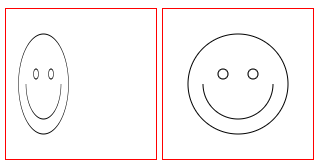
前端Canvas绘图比例被拉伸的“坑点”
发表于
2024-01-20 05:54:24
别只是写OKR,得有自己的认知和思考
最近比较多的文档专用时间都花在写 OKR 上,也有一些探讨,发现小伙伴们对于 OKR 在认知上是不一样的,有些多一些,有些少一些,有些甚至是为了写 OKR 而写 OKR,属于应付了事。于是今天就聊聊 OKR,聊下 OKR 是为组织解决什么问题,如何生成 OKR,写 OKR 过程中对于上线时间这种要不要写进去,以及 OKR 和 OGSM 有什么关系。先想一下一个组织为啥要用 OKR 这个工具,其解决的是什么问题?OKR 是一种帮助组织设定、追踪和实现目标的目标管理工具。其解决的主要问题包括以下 4 点:一,聚焦和优先级的问题,因为组织经常面临资源有限的问题,需要确定优先关注的领域。OKR 通过设定明确的、优先级排序的目标,帮助团队和个人集中精力在最重要的任务上。二,透明度和对齐的问题,通过公开共享 OKR,组织内的每个团队和成员都可以对其他部门和同事的目标有所了解,从而确保所有人的工作都朝着相同的方向推进,实现组织目标的一致性和对齐。三,衡量和追踪过程的问题,OKR 提供了一种衡量进展的机制,通过定期检查关键结果,组织可以实时了解他们是否接近既定目标,从而及时调整策略或努力方向。四,激发员工参与和动力,OKR 通过设定具有挑战性的目标来激励员工,同时关键结果的实现也让员工感受到成就感,从而激发他们的积极性和参与度。除以上 4 个以外,OKR 在提高执行力也能发挥比较大的作用。当一个组
...继续阅读
(182)
发表于
2024-01-20 00:00:00
Palworld幻兽帕鲁专业服务器搭建